

Outsourcing Maintenance & Lighting Upgrades: How Property Managers & MUDs…
Outsourcing lighting upgrades and maintenance needs improves tenant retention and boosts ROI for property managers.

This blog was originally published February 21, 2020, and was updated on February 26, 2026.
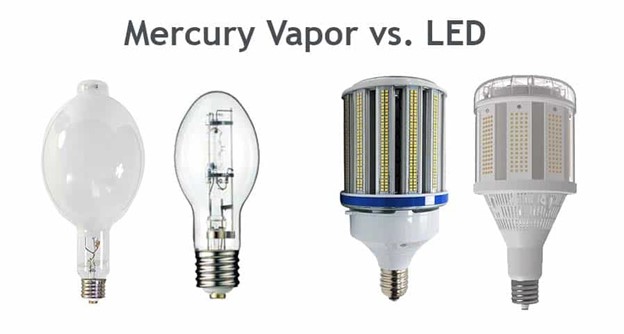
At a Glance: Mercury Vapor vs. LED Lighting
The debate between mercury vapor and LED lighting has been a long-standing topic in commercial and industrial facilities. What began as an environmental conversation in the early 2000s has now evolved into a performance and cost-savings decision for facility managers. Today, many businesses are actively retrofitting mercury vapor lamps with LED lighting to improve efficiency, reduce maintenance costs, and take advantage of available financial rebates.
Mercury vapor lamps are among the oldest forms of High Intensity Discharge (HID) lighting used in commercial applications. Developed in the 1930s, they were widely installed in streetlights, warehouses, parking lots, sports fields, and manufacturing environments. These fixtures produce light by sending an electrical current through vaporized mercury inside a quartz arc tube. The reaction emits ultraviolet light, which is converted to visible light by the phosphor coating inside the lamp.
While this technology was once considered reliable for large-area lighting, it has limitations that modern facilities cannot ignore.
Environmental concerns about mercury content prompted regulatory changes under the Energy Policy Act of 2005. This legislation prohibited the manufacture and import of mercury-vapor ballasts after 2008. Although facilities are still permitted to operate existing systems, replacement parts have become increasingly scarce. As a result, maintaining legacy mercury vapor lighting systems has become increasingly expensive over time, prompting many organizations to adopt LED retrofit solutions.

Understanding the difference between mercury vapor and LEDs begins with how each technology generates and distributes light.
Mercury vapor lighting is a type of High-Intensity Discharge (HID) lighting that produces light by passing electricity through a sealed tube containing mercury vapor. This process produces ultraviolet (UV) light, which is then changed into visible light by a coated outer bulb. These fixtures rely on heat and gas to produce light and send it out in all directions. Because of this, reflectors are needed to aim the light where it’s needed, which can lead to wasted energy and reduced efficiency.
LED (Light-Emitting Diode) lighting works differently. Instead of using heat or gas, LEDs create light by passing electricity through a small semiconductor. This allows LED fixtures to send light in a specific direction without the need for reflectors, helping reduce energy waste and improve overall lighting performance.
| Feature | Metal Halide | LEDs |
| Lumens per Watt | 35–65 lm/W | 130+ lm/W |
| Average Lifespan | ~24,000 Hours | 50,000–100,000 Hours |
| Warm-Up Time | 4–10 Minutes | Instant-On |
| Light Distribution | Omnidirectional | Directional |
| CRI | <50 | 80+ |
| Hazardous Materials | Contains Mercury | Mercury-Free |
| Maintenance Frequency | High | Low |
Mercury vapor lamps require a warm-up period of up to 10 minutes before reaching full brightness. Over time, this daily delay contributes to unnecessary energy use and reduced lamp life. When lighting accounts for a significant portion of a facility’s energy consumption, eliminating this inefficiency can produce measurable savings.
LED lighting offers instant-on capability and maintains consistent output throughout its lifecycle. Directional light distribution also eliminates the approximately 15% efficiency loss associated with reflector-based mercury vapor fixtures.
A typical mercury vapor lamp may last about 24,000 hours under standard operating conditions. In comparison, commercial LED fixtures typically have lifespans of 50,000 to 100,000 hours. Fewer replacements translate to reduced labor costs, minimized lift rentals, and less operational disruption.
In addition, mercury vapor lamps contain hazardous materials that require specialized disposal procedures. LEDs contain no mercury, simplifying end-of-life handling and reducing environmental risk.
Still operating under aging mercury vapor lighting across your facility?
Mercury vapor systems are energy-intensive, maintenance-heavy, and often eligible for substantial LED upgrade rebates. Learn how our LED Upgrade Solutions replace outdated mercury vapor fixtures to improve efficiency, light quality, and long-term system performance across commercial facilities.
Then, review our Rebate Recovery Services to see how we identify and manage available incentive programs from start to finish. Schedule a call to discuss your upgrade options and potential savings.
👉 LED Retrofit Solutions
👉 Rebate Recovery Services
👉 Schedule a Strategy Call
“Across the commercial and the industrial facilities that we support, customers are transitioning from outdated mercury vapor lighting systems to modern LED technology. These upgrades are delivering significant energy savings, reducing ongoing maintenance demands, and improving overall lighting performance to better support safe and efficient operations.”
-Ted Stouch, President of Action Services Group
Upgrading from mercury vapor to LED lighting is not solely a performance decision. Many utility incentive programs offer rebates for replacing legacy HID systems with high-efficiency LED lighting, helping to offset upfront project costs and improve overall return on investment. Identifying when outdated mercury vapor fixtures are approaching end-of-life enables facility managers to pursue eligible upgrades before lighting performance declines or maintenance costs increase.
Partnering with a rebate management provider can help organizations navigate available incentive programs, secure required utility preapprovals, and recover funding once projects are completed. When combined with reduced energy consumption and lower maintenance demands, these rebates can significantly shorten LED retrofit payback periods.
What is the main difference between mercury vapor and LED lighting?
Mercury vapor lighting generates illumination by passing an electrical current through vaporized mercury in an arc tube, while LED lighting produces light through a semiconductor that converts electricity directly into visible light without a gas discharge.
Why are mercury vapor lamps being phased out?
Mercury vapor lamps contain hazardous materials and rely on ballast technology that can no longer be manufactured or imported under the Energy Policy Act of 2005.
Do LED upgrades use less energy than mercury vapor lighting?
Yes. LED lighting systems typically consume 50–70% less energy than mercury vapor fixtures due to higher lumens per watt and directional light distribution.
Are LED retrofits eligible for rebates?
Many LED retrofit projects qualify for utility incentive programs and ENERGY STAR-supported rebates when replacing legacy HID lighting, such as mercury vapor systems.
Can upgrading to LED lighting reduce maintenance costs?
LED fixtures have significantly longer operational lifespans than mercury vapor lamps, which reduces the frequency of lamp replacements and associated labor costs.
When comparing mercury vapor and LED lighting, the differences in energy consumption, maintenance requirements, and light quality make LED technology the preferred option for modern facilities. Retrofitting outdated mercury vapor systems can improve operational efficiency while unlocking valuable rebate recovery opportunities that lower upfront project costs and accelerate ROI.
To explore LED upgrade options for your facility, contact Action Services Group at 610-558-9773, email [email protected], or schedule a consultation today.
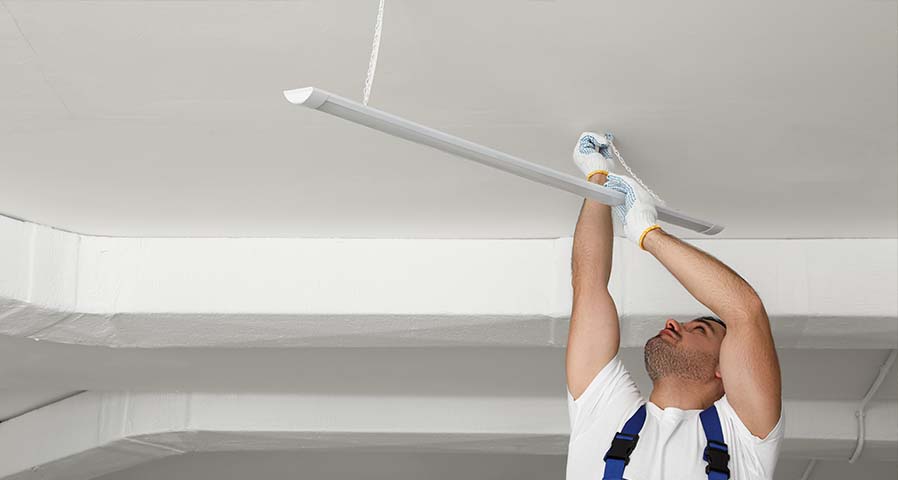
Outsourcing lighting upgrades and maintenance needs improves tenant retention and boosts ROI for property managers.
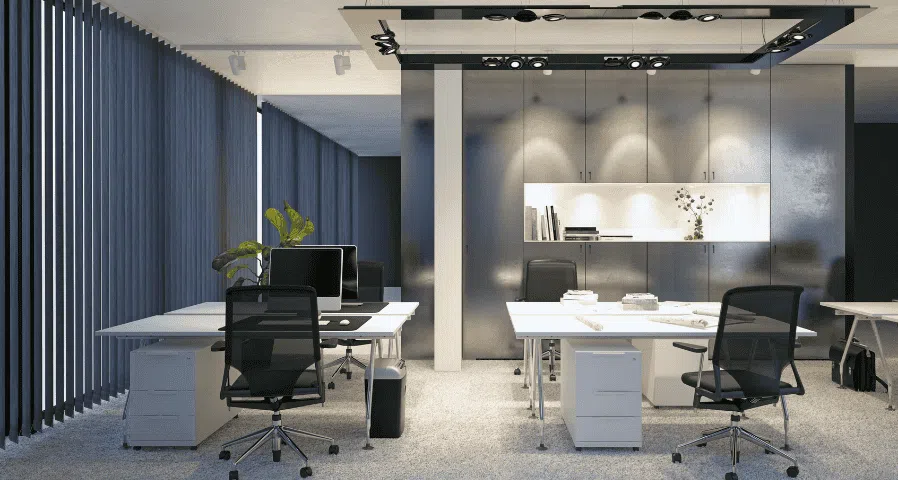
Color temperature can be adjusted through AI powered lighting control technology. Doing so helps customize the…
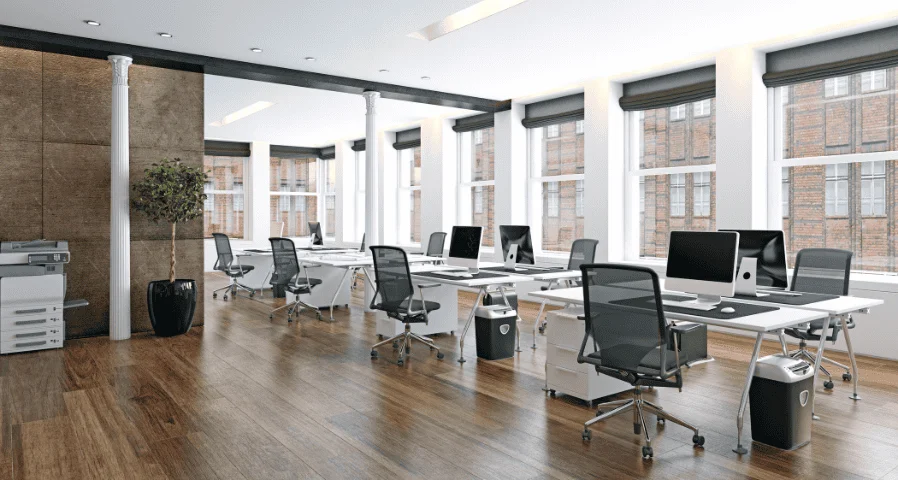
Studies have shown that natural lighting has proven to improve workplaces by helping employees be more…
Outsourcing lighting upgrades and maintenance needs improves tenant retention and boosts ROI for property managers.
Color temperature can be adjusted through AI powered lighting control technology. Doing so helps customize the space to your industry…
Studies have shown that natural lighting has proven to improve workplaces by helping employees be more comfortable and efficient. As…
Great content! Super high-quality! Keep it up! 🙂